Buy lowcarb.eu ?
We are moving the project
lowcarb.eu .
Are you interested in purchasing the domain
lowcarb.eu ?
domain@kv-gmbh.de · 0541-91531010
Buy lowcarb.eu ?
Do the terms vegan, vegetarian, gluten-free, lactose-free, and paleo also belong?
Yes, the terms vegan, vegetarian, gluten-free, lactose-free, and paleo also belong in the context of dietary restrictions and preferences. These terms are used to describe specific dietary choices and restrictions, such as avoiding animal products (vegan and vegetarian), gluten (gluten-free), lactose (lactose-free), and following a paleo diet that focuses on whole foods and avoids processed foods. Each term represents a different approach to food and nutrition, and individuals may choose to follow these diets for various reasons, including health, ethical, or environmental concerns. **
What is the deontological perspective?
The deontological perspective is an ethical theory that focuses on the inherent rightness or wrongness of actions themselves, rather than the consequences of those actions. It is based on the idea that certain actions are morally obligatory regardless of their outcomes. Deontologists believe that individuals have a duty to follow certain moral rules or principles, such as honesty or respecting others' autonomy, regardless of the potential benefits or harms that may result. This perspective is often associated with philosophers like Immanuel Kant, who argued that moral principles are universal and apply to all rational beings. **

Similar search terms for Deontological
Top-Angebote
Products related to Deontological:
-
Mitchell Beazley Rosa’s Thai Café: The Vegetarian Cookbook by Saiphin Moore – Authentic Thai Vegetarian RecipesFinding strictly vegetarian food in Thailand can be tricky, where fish sauce is the king of the kitchen. In the follow-up to her debut, Rosa's Thai Café: The Cookbook, Saiphin Moore embraces this challenge, creating over 100 delicious and simple recipes for Thai-loving vegans and vegetarians. Featuring authentic dishes such as Tom yum noodle soup, Congee with shiitake mushrooms, Stir-fried aubergine with roasted chilli paste and Butternut red curry, this brilliant sequel adds an exciting new strand to Rosa's repetoire.10,99 £*Shipping: 2,99 £Secure redirect to the provider
-
Uplift Picks 500ml BPA Free Leak Proof Sports Water Bottle Protein Shaker black 500 MlStaying hydrated should be simple, safe, and hasslefree. This 500ml water bottle is designed for active lifestyles, making it easy to enjoy water, protein shakes, or fitness drinks on the go. Made from durable, BPA free sports bottle materials, it...28,48 $*Shipping: 0,00 $Secure redirect to the provider
-
Uplift Essentials Internal Hanging Nano Protein Skimmer Internal Hanging Nano Protein SkimmerMaintain a pristine marine environment with this expertly designed internal protein skimmer, a professionalgrade solution specifically for exquisite small marine fish tanks. This internal builtin hanging cylinder type skimmer utilizes advanced DC...125,97 $*Shipping: 0,00 $Secure redirect to the provider


-
What is meant by deontological and teleological?
Deontological ethics is an ethical theory that focuses on the inherent rightness or wrongness of actions themselves, rather than the consequences of those actions. It emphasizes the importance of following moral rules and duties, regardless of the outcomes. On the other hand, teleological ethics, also known as consequentialism, is an ethical theory that evaluates the morality of actions based on their outcomes or consequences. It emphasizes the idea that the rightness or wrongness of an action is determined by the overall good or bad results it produces. In summary, deontological ethics focuses on the inherent nature of actions, while teleological ethics focuses on the outcomes of actions. **
-
Does Kant's deontological ethics contradict Aristotle's eudaemonistic ethics?
Kant's deontological ethics and Aristotle's eudaemonistic ethics have some fundamental differences, but they do not necessarily contradict each other. Kant's ethics focus on duty and the intention behind actions, while Aristotle's ethics emphasize achieving eudaimonia, or human flourishing, through virtuous actions. While Kant's emphasis on duty can sometimes conflict with Aristotle's emphasis on virtue, both ethical theories ultimately aim to guide individuals towards leading a good and moral life. Therefore, while they may approach ethics from different perspectives, they can be seen as complementary rather than contradictory. **
-
Are Chio Chips gluten-free and vegetarian?
Chio Chips are not gluten-free as they contain ingredients like wheat flour. However, some varieties of Chio Chips may be vegetarian as they do not contain any meat products. It is important to check the ingredients list on the packaging to confirm if a specific flavor of Chio Chips is vegetarian. **
-
Do you always eat unprocessed, organic, and gluten-free keto foods?
No, I do not always eat unprocessed, organic, and gluten-free keto foods. While I try to incorporate these types of foods into my diet for their health benefits, I also enjoy a variety of foods that may not fit into these categories. I believe in balance and moderation when it comes to eating, so I do not strictly adhere to one specific type of diet all the time. **


What is the difference between deontological ethics and utilitarianism?
Deontological ethics is an ethical theory that focuses on the inherent rightness or wrongness of actions themselves, regardless of their consequences. It emphasizes the importance of following moral rules and duties, such as telling the truth or keeping promises, regardless of the outcomes. On the other hand, utilitarianism is a consequentialist ethical theory that evaluates the morality of actions based on their outcomes. It prioritizes maximizing overall happiness or well-being for the greatest number of people, often through the calculation of benefits and harms. In summary, deontological ethics emphasizes the inherent morality of actions, while utilitarianism focuses on the consequences of actions. **
Does discourse ethics have a teleological or deontological approach?
Discourse ethics is primarily associated with a deontological approach. It focuses on the principles of communication and interaction between individuals, emphasizing the importance of ethical norms and rules in guiding discourse. The goal is to ensure that communication is based on mutual respect, equality, and rationality, rather than aiming towards a specific outcome or goal. By prioritizing the ethical principles of communication, discourse ethics aims to create a fair and just dialogue among participants. **
Top-Angebote
Products related to Deontological:
-
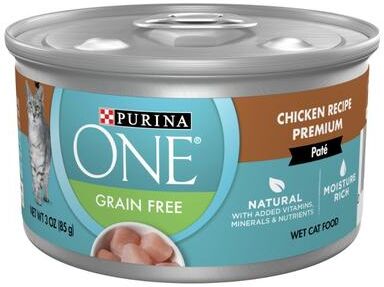
Happy Pet Pantry Purina ONE Grain Free Chicken Pate Wet Cat Food 3 Oz High Protein Complete Nutrition Purina ONE Grain Free Chicken Pate Wet Cat Food 3 Oz High Protein Complete NutritionGive your cat a meal thats as nourishing as it is delicious. This grainfree wet cat food is specially crafted for cats who crave rich poultry flavor while benefiting from complete, balanced nutrition. Made with real chicken as the first ingredient,...49,97 $*Shipping: 0,00 $Secure redirect to the provider
-
Mitchell Beazley Rosa’s Thai Café: The Vegetarian Cookbook by Saiphin Moore – Authentic Thai Vegetarian RecipesFinding strictly vegetarian food in Thailand can be tricky, where fish sauce is the king of the kitchen. In the follow-up to her debut, Rosa's Thai Café: The Cookbook, Saiphin Moore embraces this challenge, creating over 100 delicious and simple recipes for Thai-loving vegans and vegetarians. Featuring authentic dishes such as Tom yum noodle soup, Congee with shiitake mushrooms, Stir-fried aubergine with roasted chilli paste and Butternut red curry, this brilliant sequel adds an exciting new strand to Rosa's repetoire.10,99 £*Shipping: 2,99 £Secure redirect to the provider
-
Uplift Picks 500ml BPA Free Leak Proof Sports Water Bottle Protein Shaker black 500 MlStaying hydrated should be simple, safe, and hasslefree. This 500ml water bottle is designed for active lifestyles, making it easy to enjoy water, protein shakes, or fitness drinks on the go. Made from durable, BPA free sports bottle materials, it...28,48 $*Shipping: 0,00 $Secure redirect to the provider
-
Do the terms vegan, vegetarian, gluten-free, lactose-free, and paleo also belong?
Yes, the terms vegan, vegetarian, gluten-free, lactose-free, and paleo also belong in the context of dietary restrictions and preferences. These terms are used to describe specific dietary choices and restrictions, such as avoiding animal products (vegan and vegetarian), gluten (gluten-free), lactose (lactose-free), and following a paleo diet that focuses on whole foods and avoids processed foods. Each term represents a different approach to food and nutrition, and individuals may choose to follow these diets for various reasons, including health, ethical, or environmental concerns. **
-
What is the deontological perspective?
The deontological perspective is an ethical theory that focuses on the inherent rightness or wrongness of actions themselves, rather than the consequences of those actions. It is based on the idea that certain actions are morally obligatory regardless of their outcomes. Deontologists believe that individuals have a duty to follow certain moral rules or principles, such as honesty or respecting others' autonomy, regardless of the potential benefits or harms that may result. This perspective is often associated with philosophers like Immanuel Kant, who argued that moral principles are universal and apply to all rational beings. **
-
What is meant by deontological and teleological?
Deontological ethics is an ethical theory that focuses on the inherent rightness or wrongness of actions themselves, rather than the consequences of those actions. It emphasizes the importance of following moral rules and duties, regardless of the outcomes. On the other hand, teleological ethics, also known as consequentialism, is an ethical theory that evaluates the morality of actions based on their outcomes or consequences. It emphasizes the idea that the rightness or wrongness of an action is determined by the overall good or bad results it produces. In summary, deontological ethics focuses on the inherent nature of actions, while teleological ethics focuses on the outcomes of actions. **
-
Does Kant's deontological ethics contradict Aristotle's eudaemonistic ethics?
Kant's deontological ethics and Aristotle's eudaemonistic ethics have some fundamental differences, but they do not necessarily contradict each other. Kant's ethics focus on duty and the intention behind actions, while Aristotle's ethics emphasize achieving eudaimonia, or human flourishing, through virtuous actions. While Kant's emphasis on duty can sometimes conflict with Aristotle's emphasis on virtue, both ethical theories ultimately aim to guide individuals towards leading a good and moral life. Therefore, while they may approach ethics from different perspectives, they can be seen as complementary rather than contradictory. **
Similar search terms for Deontological
-
Uplift Essentials Internal Hanging Nano Protein Skimmer Internal Hanging Nano Protein SkimmerMaintain a pristine marine environment with this expertly designed internal protein skimmer, a professionalgrade solution specifically for exquisite small marine fish tanks. This internal builtin hanging cylinder type skimmer utilizes advanced DC...125,97 $*Shipping: 0,00 $Secure redirect to the provider
-
Uplift Picks 500ml BPA Free Leak Proof Sports Water Bottle Protein Shaker purple 500 MlStaying hydrated should be simple, safe, and hasslefree. This 500ml water bottle is designed for active lifestyles, making it easy to enjoy water, protein shakes, or fitness drinks on the go. Made from durable, BPA free sports bottle materials, it...28,48 $*Shipping: 0,00 $Secure redirect to the provider
-
Uplift Picks 500ml BPA Free Leak Proof Sports Water Bottle Protein Shaker green 500 MlStaying hydrated should be simple, safe, and hasslefree. This 500ml water bottle is designed for active lifestyles, making it easy to enjoy water, protein shakes, or fitness drinks on the go. Made from durable, BPA free sports bottle materials, it...28,48 $*Shipping: 0,00 $Secure redirect to the provider
-
Are Chio Chips gluten-free and vegetarian?
Chio Chips are not gluten-free as they contain ingredients like wheat flour. However, some varieties of Chio Chips may be vegetarian as they do not contain any meat products. It is important to check the ingredients list on the packaging to confirm if a specific flavor of Chio Chips is vegetarian. **
-
Do you always eat unprocessed, organic, and gluten-free keto foods?
No, I do not always eat unprocessed, organic, and gluten-free keto foods. While I try to incorporate these types of foods into my diet for their health benefits, I also enjoy a variety of foods that may not fit into these categories. I believe in balance and moderation when it comes to eating, so I do not strictly adhere to one specific type of diet all the time. **
-
What is the difference between deontological ethics and utilitarianism?
Deontological ethics is an ethical theory that focuses on the inherent rightness or wrongness of actions themselves, regardless of their consequences. It emphasizes the importance of following moral rules and duties, such as telling the truth or keeping promises, regardless of the outcomes. On the other hand, utilitarianism is a consequentialist ethical theory that evaluates the morality of actions based on their outcomes. It prioritizes maximizing overall happiness or well-being for the greatest number of people, often through the calculation of benefits and harms. In summary, deontological ethics emphasizes the inherent morality of actions, while utilitarianism focuses on the consequences of actions. **
-
Does discourse ethics have a teleological or deontological approach?
Discourse ethics is primarily associated with a deontological approach. It focuses on the principles of communication and interaction between individuals, emphasizing the importance of ethical norms and rules in guiding discourse. The goal is to ensure that communication is based on mutual respect, equality, and rationality, rather than aiming towards a specific outcome or goal. By prioritizing the ethical principles of communication, discourse ethics aims to create a fair and just dialogue among participants. **
* All prices are inclusive of VAT and, if applicable, plus shipping costs. The offer information is based on the details provided by the respective shop and is updated through automated processes. Real-time updates do not occur, so deviations can occur in individual cases. ** Note: Parts of this content were created by AI.