Buy lowcarb.eu ?
We are moving the project
lowcarb.eu .
Are you interested in purchasing the domain
lowcarb.eu ?
domain@kv-gmbh.de · 0541-91531010
Buy lowcarb.eu ?
Can a non-woven wallpaper be applied on a non-woven lining as a base?
Yes, a non-woven wallpaper can be applied on a non-woven lining as a base. Non-woven wallpapers are designed to be easy to apply and remove, making them a popular choice for many homeowners. When applying a non-woven wallpaper on a non-woven lining, it is important to ensure that the surfaces are clean, smooth, and free of any debris to ensure a proper adhesion. Additionally, following the manufacturer's instructions for application will help ensure a successful installation. **
What is the mRNA strand for the non-coding strand?
The mRNA strand for the non-coding strand is complementary to the non-coding strand of DNA. This means that it is created by using the non-coding strand as a template and matching complementary RNA nucleotides to the DNA nucleotides. The resulting mRNA strand will have the same sequence as the coding (sense) strand of DNA, except with thymine (T) replaced by uracil (U) in the mRNA. This mRNA strand will then be used as a template for protein synthesis during translation. **


Similar search terms for Seabrook-Designs-Strand-Non-Woven
Top-Angebote
Products related to Seabrook-Designs-Strand-Non-Woven:


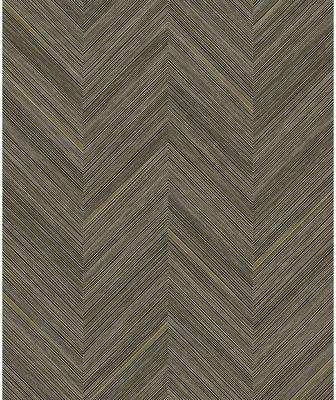
-
Is the non-woven wallpaper paintable?
Yes, non-woven wallpaper is paintable. It is designed to be more durable and easier to work with than traditional wallpaper, making it a popular choice for those who want to customize their walls with paint. The non-woven material allows the paint to adhere easily and evenly, creating a smooth and professional finish. However, it is important to properly prepare the wallpaper surface before painting to ensure the best results. **
-
What is the difference between the matrix strand and the non-matrix strand in protein biosynthesis?
In protein biosynthesis, the matrix strand refers to the strand of DNA that is used as a template for transcription in the nucleus. This strand is complementary to the mRNA that is eventually translated into a protein. On the other hand, the non-matrix strand is the other strand of DNA that is not used as a template for transcription. It is also known as the coding strand because its sequence is the same as the mRNA, except that it contains thymine instead of uracil. Both strands play important roles in the process of protein biosynthesis, with the matrix strand serving as the template for mRNA synthesis and the non-matrix strand providing the same sequence as the mRNA. **
-
How do you wallpaper non-woven wallpapers?
To wallpaper non-woven wallpapers, start by preparing the wall surface by cleaning it and ensuring it is smooth and dry. Next, apply wallpaper adhesive directly to the wall using a roller or brush. Then, carefully hang the non-woven wallpaper onto the adhesive, ensuring it is aligned correctly. Smooth out any air bubbles with a wallpaper smoother or brush. Trim any excess wallpaper at the top and bottom using a sharp knife. Allow the wallpaper to dry completely before enjoying your newly decorated space. **
-
How do you overlap non-woven wallpapers?
When overlapping non-woven wallpapers, it's important to carefully align the patterns and edges of the two strips of wallpaper. Start by applying the first strip of wallpaper to the wall, making sure it is straight and aligned with the ceiling or other reference point. Then, apply the second strip of wallpaper next to the first, slightly overlapping the edges by about 1/4 inch. Use a wallpaper smoother to gently press the overlapped seam to ensure a smooth and seamless finish. Finally, use a sharp utility knife to trim any excess overlapping wallpaper along the edges. **


Can you reuse a non-woven wallpaper?
Yes, non-woven wallpaper can be reused if it is carefully removed from the wall. Non-woven wallpaper is designed to be strippable, meaning it can be removed without leaving residue or damaging the wall. To reuse the wallpaper, it should be gently peeled off the wall, taking care not to tear or stretch it. Once removed, the wallpaper can be stored flat and reinstalled on another wall using wallpaper adhesive. **
Should non-woven wallpaper always be pasted?
Non-woven wallpaper does not always need to be pasted. Non-woven wallpaper is designed to be applied by pasting the wall instead of the paper itself, making the application process easier and cleaner. However, some non-woven wallpapers may still require pasting depending on the manufacturer's instructions or the specific type of wallpaper. It is important to follow the manufacturer's guidelines for the best results when hanging non-woven wallpaper. **
Top-Angebote
Products related to Seabrook-Designs-Strand-Non-Woven:
-
Can a non-woven wallpaper be applied on a non-woven lining as a base?
Yes, a non-woven wallpaper can be applied on a non-woven lining as a base. Non-woven wallpapers are designed to be easy to apply and remove, making them a popular choice for many homeowners. When applying a non-woven wallpaper on a non-woven lining, it is important to ensure that the surfaces are clean, smooth, and free of any debris to ensure a proper adhesion. Additionally, following the manufacturer's instructions for application will help ensure a successful installation. **
-
What is the mRNA strand for the non-coding strand?
The mRNA strand for the non-coding strand is complementary to the non-coding strand of DNA. This means that it is created by using the non-coding strand as a template and matching complementary RNA nucleotides to the DNA nucleotides. The resulting mRNA strand will have the same sequence as the coding (sense) strand of DNA, except with thymine (T) replaced by uracil (U) in the mRNA. This mRNA strand will then be used as a template for protein synthesis during translation. **
-
Is the non-woven wallpaper paintable?
Yes, non-woven wallpaper is paintable. It is designed to be more durable and easier to work with than traditional wallpaper, making it a popular choice for those who want to customize their walls with paint. The non-woven material allows the paint to adhere easily and evenly, creating a smooth and professional finish. However, it is important to properly prepare the wallpaper surface before painting to ensure the best results. **
-
What is the difference between the matrix strand and the non-matrix strand in protein biosynthesis?
In protein biosynthesis, the matrix strand refers to the strand of DNA that is used as a template for transcription in the nucleus. This strand is complementary to the mRNA that is eventually translated into a protein. On the other hand, the non-matrix strand is the other strand of DNA that is not used as a template for transcription. It is also known as the coding strand because its sequence is the same as the mRNA, except that it contains thymine instead of uracil. Both strands play important roles in the process of protein biosynthesis, with the matrix strand serving as the template for mRNA synthesis and the non-matrix strand providing the same sequence as the mRNA. **
Similar search terms for Seabrook-Designs-Strand-Non-Woven
-
How do you wallpaper non-woven wallpapers?
To wallpaper non-woven wallpapers, start by preparing the wall surface by cleaning it and ensuring it is smooth and dry. Next, apply wallpaper adhesive directly to the wall using a roller or brush. Then, carefully hang the non-woven wallpaper onto the adhesive, ensuring it is aligned correctly. Smooth out any air bubbles with a wallpaper smoother or brush. Trim any excess wallpaper at the top and bottom using a sharp knife. Allow the wallpaper to dry completely before enjoying your newly decorated space. **
-
How do you overlap non-woven wallpapers?
When overlapping non-woven wallpapers, it's important to carefully align the patterns and edges of the two strips of wallpaper. Start by applying the first strip of wallpaper to the wall, making sure it is straight and aligned with the ceiling or other reference point. Then, apply the second strip of wallpaper next to the first, slightly overlapping the edges by about 1/4 inch. Use a wallpaper smoother to gently press the overlapped seam to ensure a smooth and seamless finish. Finally, use a sharp utility knife to trim any excess overlapping wallpaper along the edges. **
-
Can you reuse a non-woven wallpaper?
Yes, non-woven wallpaper can be reused if it is carefully removed from the wall. Non-woven wallpaper is designed to be strippable, meaning it can be removed without leaving residue or damaging the wall. To reuse the wallpaper, it should be gently peeled off the wall, taking care not to tear or stretch it. Once removed, the wallpaper can be stored flat and reinstalled on another wall using wallpaper adhesive. **
-
Should non-woven wallpaper always be pasted?
Non-woven wallpaper does not always need to be pasted. Non-woven wallpaper is designed to be applied by pasting the wall instead of the paper itself, making the application process easier and cleaner. However, some non-woven wallpapers may still require pasting depending on the manufacturer's instructions or the specific type of wallpaper. It is important to follow the manufacturer's guidelines for the best results when hanging non-woven wallpaper. **
* All prices are inclusive of VAT and, if applicable, plus shipping costs. The offer information is based on the details provided by the respective shop and is updated through automated processes. Real-time updates do not occur, so deviations can occur in individual cases. ** Note: Parts of this content were created by AI.