Buy lowcarb.eu ?
We are moving the project
lowcarb.eu .
Are you interested in purchasing the domain
lowcarb.eu ?
domain@kv-gmbh.de · 0541-91531010
Buy lowcarb.eu ?
Do the terms vegan, vegetarian, gluten-free, lactose-free, and paleo also belong?
Yes, the terms vegan, vegetarian, gluten-free, lactose-free, and paleo also belong in the context of dietary restrictions and preferences. These terms are used to describe specific dietary choices and restrictions, such as avoiding animal products (vegan and vegetarian), gluten (gluten-free), lactose (lactose-free), and following a paleo diet that focuses on whole foods and avoids processed foods. Each term represents a different approach to food and nutrition, and individuals may choose to follow these diets for various reasons, including health, ethical, or environmental concerns. **
Where is the oil pump hose connected?
The oil pump hose is typically connected to the oil pump, which is located inside the engine. The hose is responsible for carrying oil from the oil pump to the various parts of the engine that require lubrication, such as the bearings and camshaft. It is an essential component for ensuring proper oil circulation and engine performance. **
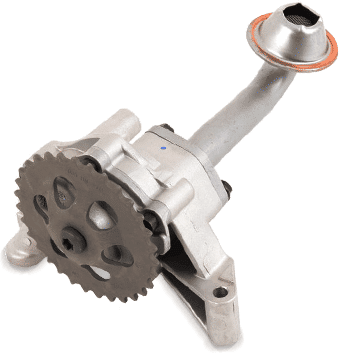

Similar search terms for AISIN-OPT-076-Oil-Pump
Top-Angebote
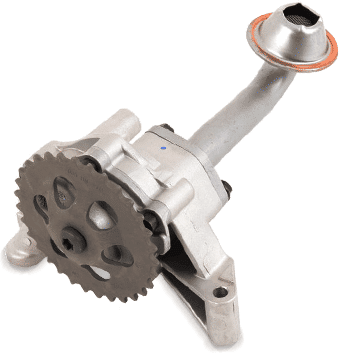
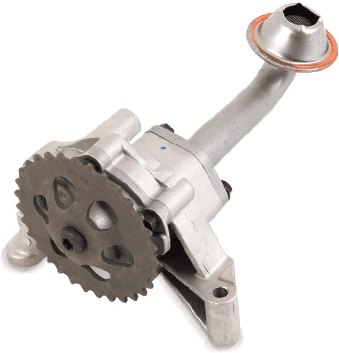
Products related to AISIN-OPT-076-Oil-Pump:


-
How can one test the oil pump and water pump of a motorcycle?
To test the oil pump of a motorcycle, you can start by checking the oil pressure using a gauge. Connect the gauge to the oil pressure port and start the engine to see if the pressure is within the manufacturer's specifications. For the water pump, you can inspect the cooling system for any leaks or blockages and ensure that the coolant is circulating properly. You can also check the water pump for any signs of damage or wear and tear. If there are any concerns, it's best to consult a professional mechanic for further inspection and testing. **
-
How can I best pump out heating oil?
To best pump out heating oil, you should start by ensuring that the pump and all equipment are in good working condition. Make sure to follow the manufacturer's instructions for operating the pump safely and effectively. It is important to use the appropriate size hose and nozzle for efficient pumping. Additionally, regularly maintain and clean the pump to prevent clogs and ensure smooth operation. **
-
Is the oil pump not holding the pressure?
If the oil pump is not holding the pressure, it could be due to a few different issues. It could be a problem with the pump itself, such as worn or damaged internal components. It could also be an issue with the oil pressure relief valve, which may be stuck open or not functioning properly. Additionally, there could be a problem with the oil filter or a leak in the oil system causing a loss of pressure. It's important to diagnose and address the specific issue in order to ensure proper oil pressure and lubrication for the engine. **
-
What is oil residue from an air pump?
Oil residue from an air pump is the leftover oil that can accumulate in the air pump system. This residue can be a result of oil leaking from the pump or from the oil mist that is generated during the compression process. It can build up in the air lines, filters, and other components of the air system, potentially causing issues with air quality and equipment performance. Regular maintenance and monitoring of the air pump system is important to prevent excessive oil residue buildup. **


Can I easily pump out the heating oil from the oil tanks again?
Pumping out heating oil from oil tanks can be a straightforward process if you have the right equipment and knowledge. You will need a pump that is suitable for pumping oil, as well as hoses and containers to collect the oil. It is important to follow safety precautions and proper disposal methods when handling heating oil. If you are unsure about how to pump out the oil safely, it is recommended to consult a professional for assistance. **
Can I easily pump out my heating oil from the oil tanks again?
Yes, you can easily pump out heating oil from oil tanks using a pump or siphon. However, it is important to follow safety precautions and use appropriate equipment to avoid spills or accidents. It is recommended to consult a professional if you are unsure about how to safely pump out the oil from the tanks. **
Top-Angebote
Products related to AISIN-OPT-076-Oil-Pump:
-
Do the terms vegan, vegetarian, gluten-free, lactose-free, and paleo also belong?
Yes, the terms vegan, vegetarian, gluten-free, lactose-free, and paleo also belong in the context of dietary restrictions and preferences. These terms are used to describe specific dietary choices and restrictions, such as avoiding animal products (vegan and vegetarian), gluten (gluten-free), lactose (lactose-free), and following a paleo diet that focuses on whole foods and avoids processed foods. Each term represents a different approach to food and nutrition, and individuals may choose to follow these diets for various reasons, including health, ethical, or environmental concerns. **
-
Where is the oil pump hose connected?
The oil pump hose is typically connected to the oil pump, which is located inside the engine. The hose is responsible for carrying oil from the oil pump to the various parts of the engine that require lubrication, such as the bearings and camshaft. It is an essential component for ensuring proper oil circulation and engine performance. **
-
How can one test the oil pump and water pump of a motorcycle?
To test the oil pump of a motorcycle, you can start by checking the oil pressure using a gauge. Connect the gauge to the oil pressure port and start the engine to see if the pressure is within the manufacturer's specifications. For the water pump, you can inspect the cooling system for any leaks or blockages and ensure that the coolant is circulating properly. You can also check the water pump for any signs of damage or wear and tear. If there are any concerns, it's best to consult a professional mechanic for further inspection and testing. **
-
How can I best pump out heating oil?
To best pump out heating oil, you should start by ensuring that the pump and all equipment are in good working condition. Make sure to follow the manufacturer's instructions for operating the pump safely and effectively. It is important to use the appropriate size hose and nozzle for efficient pumping. Additionally, regularly maintain and clean the pump to prevent clogs and ensure smooth operation. **
Similar search terms for AISIN-OPT-076-Oil-Pump
-
Is the oil pump not holding the pressure?
If the oil pump is not holding the pressure, it could be due to a few different issues. It could be a problem with the pump itself, such as worn or damaged internal components. It could also be an issue with the oil pressure relief valve, which may be stuck open or not functioning properly. Additionally, there could be a problem with the oil filter or a leak in the oil system causing a loss of pressure. It's important to diagnose and address the specific issue in order to ensure proper oil pressure and lubrication for the engine. **
-
What is oil residue from an air pump?
Oil residue from an air pump is the leftover oil that can accumulate in the air pump system. This residue can be a result of oil leaking from the pump or from the oil mist that is generated during the compression process. It can build up in the air lines, filters, and other components of the air system, potentially causing issues with air quality and equipment performance. Regular maintenance and monitoring of the air pump system is important to prevent excessive oil residue buildup. **
-
Can I easily pump out the heating oil from the oil tanks again?
Pumping out heating oil from oil tanks can be a straightforward process if you have the right equipment and knowledge. You will need a pump that is suitable for pumping oil, as well as hoses and containers to collect the oil. It is important to follow safety precautions and proper disposal methods when handling heating oil. If you are unsure about how to pump out the oil safely, it is recommended to consult a professional for assistance. **
-
Can I easily pump out my heating oil from the oil tanks again?
Yes, you can easily pump out heating oil from oil tanks using a pump or siphon. However, it is important to follow safety precautions and use appropriate equipment to avoid spills or accidents. It is recommended to consult a professional if you are unsure about how to safely pump out the oil from the tanks. **
* All prices are inclusive of VAT and, if applicable, plus shipping costs. The offer information is based on the details provided by the respective shop and is updated through automated processes. Real-time updates do not occur, so deviations can occur in individual cases. ** Note: Parts of this content were created by AI.