Buy lowcarb.eu ?
We are moving the project
lowcarb.eu .
Are you interested in purchasing the domain
lowcarb.eu ?
domain@kv-gmbh.de · 0541-91531010
Buy lowcarb.eu ?
Do the terms vegan, vegetarian, gluten-free, lactose-free, and paleo also belong?
Yes, the terms vegan, vegetarian, gluten-free, lactose-free, and paleo also belong in the context of dietary restrictions and preferences. These terms are used to describe specific dietary choices and restrictions, such as avoiding animal products (vegan and vegetarian), gluten (gluten-free), lactose (lactose-free), and following a paleo diet that focuses on whole foods and avoids processed foods. Each term represents a different approach to food and nutrition, and individuals may choose to follow these diets for various reasons, including health, ethical, or environmental concerns. **
What type of inhibition occurs through allosteric activation/inhibition?
Allosteric inhibition occurs when a molecule binds to an allosteric site on an enzyme, causing a conformational change that reduces the enzyme's activity. This type of inhibition is non-competitive, meaning it does not compete with the substrate for the active site. Allosteric activation, on the other hand, occurs when a molecule binds to an allosteric site and enhances the enzyme's activity. Both allosteric inhibition and activation involve the binding of a regulatory molecule to a site other than the active site of the enzyme, leading to a change in the enzyme's activity. **

Similar search terms for Inhibition
Top-Angebote
Products related to Inhibition:
-
Mitchell Beazley Rosa’s Thai Café: The Vegetarian Cookbook by Saiphin Moore – Authentic Thai Vegetarian RecipesFinding strictly vegetarian food in Thailand can be tricky, where fish sauce is the king of the kitchen. In the follow-up to her debut, Rosa's Thai Café: The Cookbook, Saiphin Moore embraces this challenge, creating over 100 delicious and simple recipes for Thai-loving vegans and vegetarians. Featuring authentic dishes such as Tom yum noodle soup, Congee with shiitake mushrooms, Stir-fried aubergine with roasted chilli paste and Butternut red curry, this brilliant sequel adds an exciting new strand to Rosa's repetoire.10,99 £*Shipping: 2,99 £Secure redirect to the provider
-
Uplift Picks 500ml BPA Free Leak Proof Sports Water Bottle Protein Shaker black 500 MlStaying hydrated should be simple, safe, and hasslefree. This 500ml water bottle is designed for active lifestyles, making it easy to enjoy water, protein shakes, or fitness drinks on the go. Made from durable, BPA free sports bottle materials, it...28,48 $*Shipping: 0,00 $Secure redirect to the provider
-
Uplift Essentials Internal Hanging Nano Protein Skimmer Internal Hanging Nano Protein SkimmerMaintain a pristine marine environment with this expertly designed internal protein skimmer, a professionalgrade solution specifically for exquisite small marine fish tanks. This internal builtin hanging cylinder type skimmer utilizes advanced DC...125,97 $*Shipping: 0,00 $Secure redirect to the provider


-
Is allosteric inhibition the same as non-competitive inhibition?
Allosteric inhibition and non-competitive inhibition are not the same, although they are related. Non-competitive inhibition refers to the binding of an inhibitor to a site on the enzyme that is not the active site, thereby preventing the substrate from binding to the active site. Allosteric inhibition, on the other hand, occurs when an inhibitor binds to a site on the enzyme that is distinct from the active site, causing a conformational change in the enzyme that reduces its activity. While both types of inhibition involve the binding of an inhibitor to a site other than the active site, allosteric inhibition specifically involves a change in the enzyme's shape and activity. **
-
What is the difference between competitive inhibition and allosteric inhibition?
Competitive inhibition occurs when a molecule competes with the substrate for the active site of an enzyme, effectively blocking the substrate from binding and inhibiting the enzyme's activity. In contrast, allosteric inhibition occurs when a molecule binds to a site on the enzyme other than the active site, causing a conformational change that reduces the enzyme's activity. While competitive inhibition directly competes with the substrate for the active site, allosteric inhibition involves binding to a different site on the enzyme to regulate its activity. **
-
Non-competitive inhibition, right?
Non-competitive inhibition is a type of enzyme inhibition where the inhibitor binds to a site on the enzyme that is not the active site. This binding causes a conformational change in the enzyme, making it less effective at catalyzing the reaction. Non-competitive inhibitors do not compete with the substrate for binding to the enzyme. Instead, they can bind to the enzyme-substrate complex or to a separate allosteric site on the enzyme. **
-
Is allosteric inhibition irreversible?
Allosteric inhibition is typically reversible, meaning that the inhibitor can bind to the allosteric site and block the activity of the enzyme, but can also dissociate from the site, allowing the enzyme to regain its activity. This is in contrast to irreversible inhibition, where the inhibitor forms a covalent bond with the enzyme, permanently inactivating it. **

What is allosteric inhibition?
Allosteric inhibition is a type of enzyme regulation where a molecule binds to a site on the enzyme that is different from the active site, causing a conformational change in the enzyme's structure. This change reduces the enzyme's activity and ability to bind to its substrate, ultimately inhibiting its function. Allosteric inhibition is a reversible process and can be used to regulate enzyme activity in response to changing cellular conditions. **
What is the difference between allosteric inhibition and competitive inhibition in biology?
Allosteric inhibition occurs when a molecule binds to an allosteric site on an enzyme, causing a conformational change that reduces the enzyme's activity. This type of inhibition is non-competitive and can affect multiple enzymes in a metabolic pathway. On the other hand, competitive inhibition occurs when a molecule competes with the substrate for the active site of the enzyme, effectively blocking the substrate from binding and reducing the enzyme's activity. Competitive inhibition can be overcome by increasing the concentration of the substrate, while allosteric inhibition cannot be overcome in the same way. **
Top-Angebote
Products related to Inhibition:
-
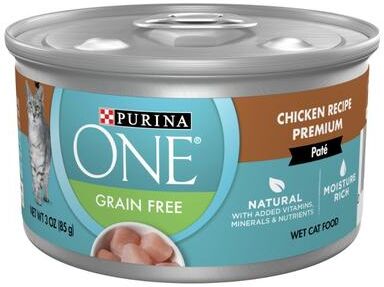
Happy Pet Pantry Purina ONE Grain Free Chicken Pate Wet Cat Food 3 Oz High Protein Complete Nutrition Purina ONE Grain Free Chicken Pate Wet Cat Food 3 Oz High Protein Complete NutritionGive your cat a meal thats as nourishing as it is delicious. This grainfree wet cat food is specially crafted for cats who crave rich poultry flavor while benefiting from complete, balanced nutrition. Made with real chicken as the first ingredient,...49,97 $*Shipping: 0,00 $Secure redirect to the provider
-
Mitchell Beazley Rosa’s Thai Café: The Vegetarian Cookbook by Saiphin Moore – Authentic Thai Vegetarian RecipesFinding strictly vegetarian food in Thailand can be tricky, where fish sauce is the king of the kitchen. In the follow-up to her debut, Rosa's Thai Café: The Cookbook, Saiphin Moore embraces this challenge, creating over 100 delicious and simple recipes for Thai-loving vegans and vegetarians. Featuring authentic dishes such as Tom yum noodle soup, Congee with shiitake mushrooms, Stir-fried aubergine with roasted chilli paste and Butternut red curry, this brilliant sequel adds an exciting new strand to Rosa's repetoire.10,99 £*Shipping: 2,99 £Secure redirect to the provider
-
Uplift Picks 500ml BPA Free Leak Proof Sports Water Bottle Protein Shaker black 500 MlStaying hydrated should be simple, safe, and hasslefree. This 500ml water bottle is designed for active lifestyles, making it easy to enjoy water, protein shakes, or fitness drinks on the go. Made from durable, BPA free sports bottle materials, it...28,48 $*Shipping: 0,00 $Secure redirect to the provider
-
Do the terms vegan, vegetarian, gluten-free, lactose-free, and paleo also belong?
Yes, the terms vegan, vegetarian, gluten-free, lactose-free, and paleo also belong in the context of dietary restrictions and preferences. These terms are used to describe specific dietary choices and restrictions, such as avoiding animal products (vegan and vegetarian), gluten (gluten-free), lactose (lactose-free), and following a paleo diet that focuses on whole foods and avoids processed foods. Each term represents a different approach to food and nutrition, and individuals may choose to follow these diets for various reasons, including health, ethical, or environmental concerns. **
-
What type of inhibition occurs through allosteric activation/inhibition?
Allosteric inhibition occurs when a molecule binds to an allosteric site on an enzyme, causing a conformational change that reduces the enzyme's activity. This type of inhibition is non-competitive, meaning it does not compete with the substrate for the active site. Allosteric activation, on the other hand, occurs when a molecule binds to an allosteric site and enhances the enzyme's activity. Both allosteric inhibition and activation involve the binding of a regulatory molecule to a site other than the active site of the enzyme, leading to a change in the enzyme's activity. **
-
Is allosteric inhibition the same as non-competitive inhibition?
Allosteric inhibition and non-competitive inhibition are not the same, although they are related. Non-competitive inhibition refers to the binding of an inhibitor to a site on the enzyme that is not the active site, thereby preventing the substrate from binding to the active site. Allosteric inhibition, on the other hand, occurs when an inhibitor binds to a site on the enzyme that is distinct from the active site, causing a conformational change in the enzyme that reduces its activity. While both types of inhibition involve the binding of an inhibitor to a site other than the active site, allosteric inhibition specifically involves a change in the enzyme's shape and activity. **
-
What is the difference between competitive inhibition and allosteric inhibition?
Competitive inhibition occurs when a molecule competes with the substrate for the active site of an enzyme, effectively blocking the substrate from binding and inhibiting the enzyme's activity. In contrast, allosteric inhibition occurs when a molecule binds to a site on the enzyme other than the active site, causing a conformational change that reduces the enzyme's activity. While competitive inhibition directly competes with the substrate for the active site, allosteric inhibition involves binding to a different site on the enzyme to regulate its activity. **
Similar search terms for Inhibition
-
Uplift Essentials Internal Hanging Nano Protein Skimmer Internal Hanging Nano Protein SkimmerMaintain a pristine marine environment with this expertly designed internal protein skimmer, a professionalgrade solution specifically for exquisite small marine fish tanks. This internal builtin hanging cylinder type skimmer utilizes advanced DC...125,97 $*Shipping: 0,00 $Secure redirect to the provider
-
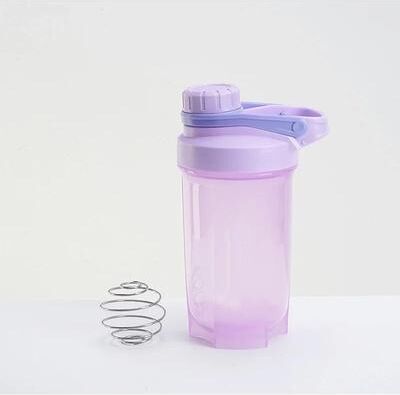
Uplift Picks 500ml BPA Free Leak Proof Sports Water Bottle Protein Shaker purple 500 MlStaying hydrated should be simple, safe, and hasslefree. This 500ml water bottle is designed for active lifestyles, making it easy to enjoy water, protein shakes, or fitness drinks on the go. Made from durable, BPA free sports bottle materials, it...28,48 $*Shipping: 0,00 $Secure redirect to the provider
-
Uplift Picks 500ml BPA Free Leak Proof Sports Water Bottle Protein Shaker green 500 MlStaying hydrated should be simple, safe, and hasslefree. This 500ml water bottle is designed for active lifestyles, making it easy to enjoy water, protein shakes, or fitness drinks on the go. Made from durable, BPA free sports bottle materials, it...28,48 $*Shipping: 0,00 $Secure redirect to the provider
-
Non-competitive inhibition, right?
Non-competitive inhibition is a type of enzyme inhibition where the inhibitor binds to a site on the enzyme that is not the active site. This binding causes a conformational change in the enzyme, making it less effective at catalyzing the reaction. Non-competitive inhibitors do not compete with the substrate for binding to the enzyme. Instead, they can bind to the enzyme-substrate complex or to a separate allosteric site on the enzyme. **
-
Is allosteric inhibition irreversible?
Allosteric inhibition is typically reversible, meaning that the inhibitor can bind to the allosteric site and block the activity of the enzyme, but can also dissociate from the site, allowing the enzyme to regain its activity. This is in contrast to irreversible inhibition, where the inhibitor forms a covalent bond with the enzyme, permanently inactivating it. **
-
What is allosteric inhibition?
Allosteric inhibition is a type of enzyme regulation where a molecule binds to a site on the enzyme that is different from the active site, causing a conformational change in the enzyme's structure. This change reduces the enzyme's activity and ability to bind to its substrate, ultimately inhibiting its function. Allosteric inhibition is a reversible process and can be used to regulate enzyme activity in response to changing cellular conditions. **
-
What is the difference between allosteric inhibition and competitive inhibition in biology?
Allosteric inhibition occurs when a molecule binds to an allosteric site on an enzyme, causing a conformational change that reduces the enzyme's activity. This type of inhibition is non-competitive and can affect multiple enzymes in a metabolic pathway. On the other hand, competitive inhibition occurs when a molecule competes with the substrate for the active site of the enzyme, effectively blocking the substrate from binding and reducing the enzyme's activity. Competitive inhibition can be overcome by increasing the concentration of the substrate, while allosteric inhibition cannot be overcome in the same way. **
* All prices are inclusive of VAT and, if applicable, plus shipping costs. The offer information is based on the details provided by the respective shop and is updated through automated processes. Real-time updates do not occur, so deviations can occur in individual cases. ** Note: Parts of this content were created by AI.